Describe the symptom before changing settings
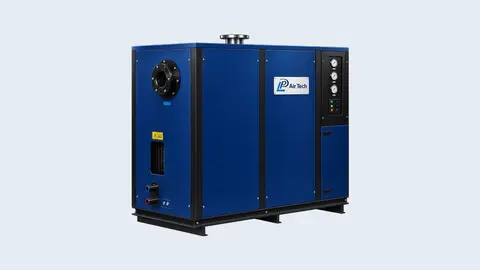
Record the location of the first observed water, whether it appears continuously or only at startup, and whether it follows a change in demand or weather. Note the dryer model, displayed readings and alarms, together with time and operating load. A warm outlet pipe alone does not prove good drying: refrigerated dryers commonly reheat the outgoing air after removing condensate.
Check whether the reported value is a measured pressure dew point, a refrigerant temperature or another control indication. These are not interchangeable. Where a dew point measurement is needed, use a suitable instrument and sampling arrangement and record the pressure. An incorrectly located or contaminated sample can lead to a misleading diagnosis.
Check the conditions the dryer actually sees
Compare actual flow, inlet pressure, inlet temperature and cooling conditions with the approved selection. A higher inlet temperature or a lower inlet pressure can change the available drying capacity. Several compressors running together may send more air through the dryer than the original brief described. For air cooling, observe blocked ventilation or dirty condenser surfaces; for water cooling, review the available utility readings.
Inspect the documented air path. An open bypass, an incorrectly connected line or another wet-air source entering downstream can make a working dryer appear ineffective. Do not change valve positions without the site's operating procedure. Compare drawings with the installation and have the responsible personnel confirm the intended operating arrangement.
Dryer site readings worksheet
Compare airflow, inlet pressure, temperatures and dew point before and during a problem. Fill it in with a PDF reader or print it for the site.
Download fillable PDFFollow separated water and cold pipework
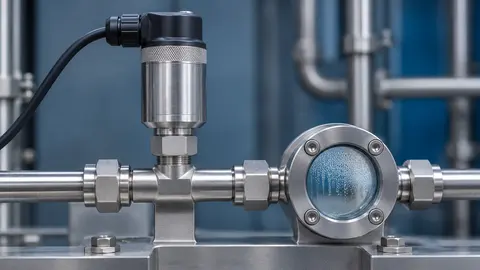
The dryer must separate condensed liquid and discharge it. From a safe position, look for drain alarms, unusual discharge behaviour and visible damage or leaks. A drain that is blocked, isolated or incorrectly connected may allow liquid to accumulate. Follow the manufacturer's inspection instructions; pressurised components must not be opened casually, and electrical or refrigeration work belongs to qualified personnel.
Also consider water already stored in receivers or low pipe sections and the coldest downstream location. Drying lowers moisture content but does not make every subsequent temperature safe. If air later cools below its pressure dew point at the relevant pressure, new condensation can form. Reheating at the dryer outlet does not lower the pressure dew point further.
Send evidence that helps resolve the cause
Send the symptom timeline, operating conditions, alarm history and clear photos of the installation, bypass arrangement and drain connections. Record any recent changes to compressors, filters or pipe routing. Ask the technical team to distinguish a capacity issue, drainage issue, connection issue and downstream temperature issue before replacing parts. After a correction, observe the same measurement points under comparable load and allow for liquid already present in the network. Keep the findings with the service record so the next diagnosis starts from evidence rather than assumptions.